25 Dec 2023

Hydrogenators are essential in numerous industrial chemical processes, particularly in hydrogenation, which is a very common class of reaction in an industrial setting. Hydrogenation forms a large chunk of our autoclave sales business at Amar. Below we show some typical industrial hydrogenations (from the book by Mouljin & Sharma on Fine Chemicals).
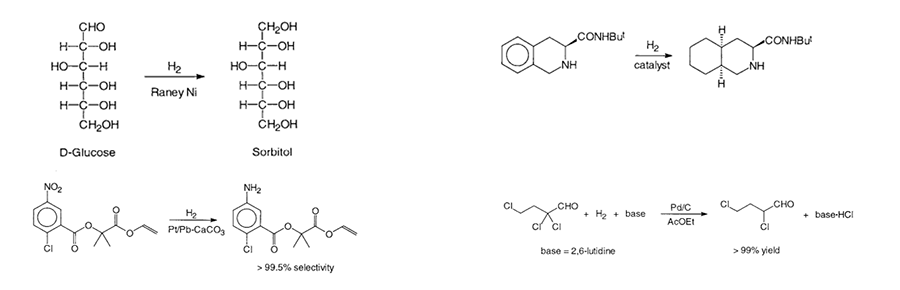
These examples highlight the wide applications of hydrogenation in chemical processing. From a process design perspective, it is crucial to choose the right hydrogenation reactor or hydrogenator for your hydrogenation projects. It is impossible to provide comprehensive advice in a single blog post, but here are some tips:
For smaller volumes of production, batch hydrogenation is usually a common choice. Batch hydrogenators are extremely versatile.
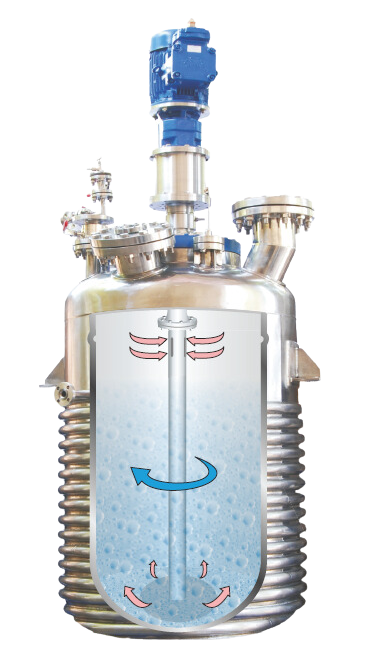
Most multipurpose pharma and specialty plants have a dedicated section devoted to hydrogenators. As volumes of production increase, it is a wise idea to consider flow mode designs such as trickle beds, bubble columns, loop reactors, etc. In such cases, advanced hydrogenation reactor equipment becomes essential for ensuring efficiency and safety.
Safety First
Safety is paramount for any project involving hydrogenation. Do not skip a Hazop. Remember H₂ is a gas that is extremely flammable under a wide range of conditions. H₂ flames can be impossible to see with the naked eye.
Seals and Gaskets for Hydrogenators
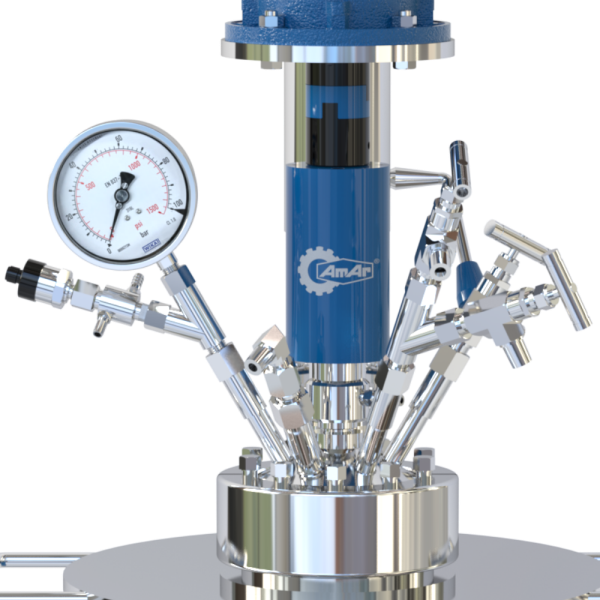
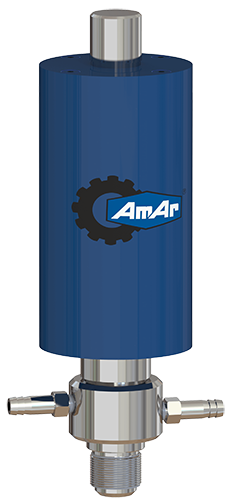
Hydrogen has very low molecular weight and extremely high diffusivity. It can leak out from situations that other gases will not. Consider your sealing devices carefully. The industry has progressed from stuffing boxes to double mechanical seals, but our strong advice is to select a magnetic drive whenever possible. At Amar, we manufacture our own magnetic drives for hydrogenators and hydrogenation machines to ensure maximum safety and reliability.
Spargers for Better Gas-Liquid Contact
Hydrogenations are Gas-Liquid reactions (often with the assistance of a solid catalyst). These Gas-Liquid reactions are often mass transfer limited. Reaction speeds require large interfacial areas which can be provided by small bubble sizes. Sparger designs are crucial for this. Modern sintered metal spargers are often a great choice for small bubble sizes in hydrogenators and hydrogenation reactor systems.
Gas Re-induction Impeller Designs
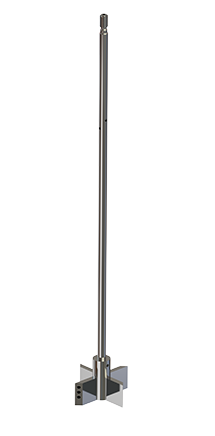
Typically, hydrogen has low solubility and reaction times are long enough that H₂ will not react completely in one pass up the reactor. This makes the entrainment of H₂ critical. A good reinduction impeller will make a huge difference. Amar Equip makes a proprietary design of a hollow shaft impeller for hydrogenators and high-performance hydrogenation machines.
Stay tuned for our next blog on advanced hydrogenation techniques. For expert guidance or innovative hydrogenation reactor equipment, contact the Amar team today.