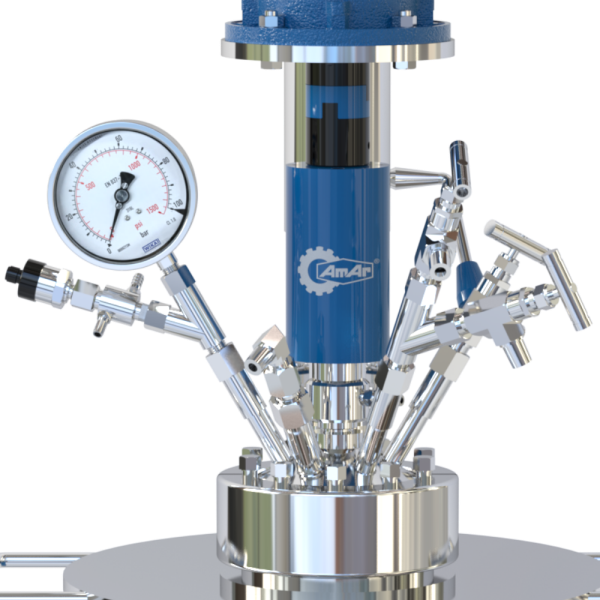
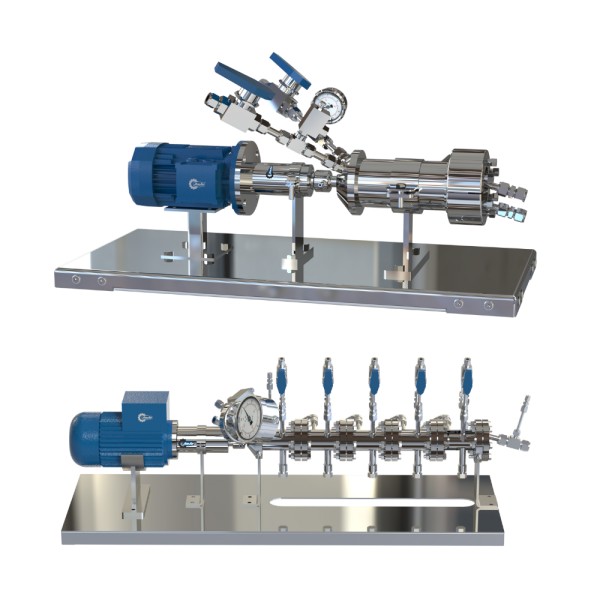
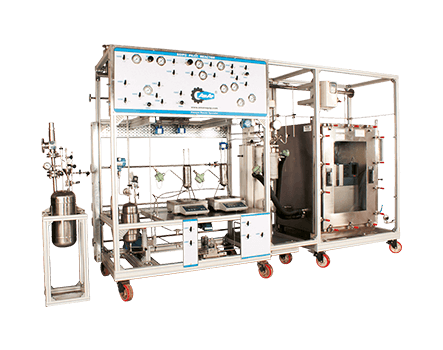
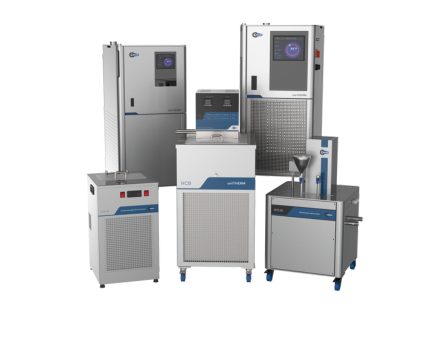
Amar’s Acid Digestion Bombs and Hydrothermal Autoclaves are precision-engineered high-pressure vessels designed for sample digestion, mineralization, and hydrothermal synthesis under controlled temperature and pressure conditions. These systems combine a robust stainless steel pressure shell with chemically inert PTFE liners, ensuring corrosion resistance and contamination-free operation. Available in capacities from 100 mL to 750 mL, they can operate reliably up to 200 bar pressure and 250°C temperature. These reactors are widely used in analytical laboratories, geochemical studies, and materials research, enabling efficient decomposition of difficult samples and high-purity sample preparation for analytical techniques such as ICP-OES, ICP-MS, and AAS.
An acid digestion bomb, also known as a hydrothermal autoclave or mineralization bomb, is a sealed high-pressure vessel used to dissolve or digest samples that are difficult to break down under normal laboratory conditions. The sample and strong acids such as nitric acid (HNO₃), hydrochloric acid (HCl), hydrofluoric acid (HF), or aqua regia are placed inside a PTFE-lined container, which is then enclosed within a stainless steel pressure shell.
When heated, the acids operate above their normal boiling points, generating elevated pressure within the vessel. These high-pressure and high-temperature conditions accelerate chemical reactions and enable complete digestion or mineralization of resistant materials.
Acid digestion bombs are widely used for preparing samples that are difficult to dissolve using conventional open-vessel digestion methods. Common samples include:
The digestion process converts solid samples into homogeneous solutions that can be analyzed using advanced analytical techniques such as ICP-MS, ICP-OES, AAS, or chromatography.
Hydrothermal autoclaves are also widely used in materials science and chemical synthesis. Under controlled pressure and temperature conditions, these reactors enable the formation of advanced materials that cannot be synthesized under normal laboratory conditions.
Typical hydrothermal synthesis applications include:
The controlled hydrothermal environment allows researchers to produce highly uniform and high-purity materials.
PTFE (polytetrafluoroethylene) is used as the liner material because it is highly resistant to chemical corrosion and remains stable in aggressive acidic environments. Many digestion processes involve strong acids such as HF, HNO₃, and aqua regia that can corrode most metals.
The PTFE liner protects the vessel from chemical attack and prevents contamination of the sample. Meanwhile, the outer stainless steel shell provides the mechanical strength required to withstand high pressure and temperature during digestion or hydrothermal reactions.
Acid digestion bombs are designed to safely handle reactions under elevated pressure and temperature. The stainless steel pressure shell provides structural strength, while the PTFE liner ensures compatibility with corrosive acids.
The sealed design prevents evaporation losses and allows digestion reactions to occur above the boiling point of acids, improving efficiency while maintaining safe containment. These reactors are compact, reliable, and suitable for laboratory use, making them ideal for high-pressure digestion and hydrothermal research applications.