Diazotization is a commonly used chemical reaction that converts a primary aromatic amine into its corresponding diazonium salt. This reaction serves as a fundamental approach for introducing various functional groups onto the aromatic ring, thereby facilitating the synthesis of a broad range of aromatic derivatives, particularly in the preparation of azo dyes.
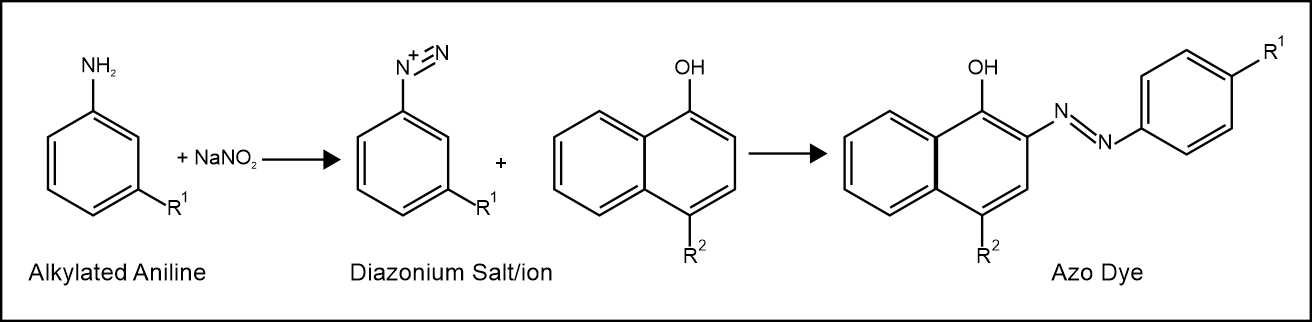
The process typically involves the reaction of an aromatic amine, such as aniline, with nitrous acid (HNO₂) in the presence of a mineral acid like hydrochloric acid (HCl). Since nitrous acid is unstable, it is usually generated in situ by reacting sodium nitrite (NaNO₂) with the mineral acid. The resultant diazonium salts are versatile intermediates that can undergo several subsequent reactions. Azo dyes are a class of synthetic dyes which have vibrant colours ranging from yellow to deep red, orange, and brown as they contain the azo (-N=N-) functional group. Due to their exceptional stability and resistance to fading, these dyes are extensively employed in the printing, food, cosmetics, leather, and textile industries.
The synthesis of azo dyes includes the diazotization of a primary aromatic amine, followed by azo coupling with an electron-rich aromatic compound, such as phenols or amines. Sudan-I (1-phenylazo-2-naphthol) is a synthetic azo dye belonging to the Sudan dye family, primarily used for colouring oils, waxes, plastics, and some industrial applications. It is an orange-red crystalline compound with a molecular formula C₁₆H₁₂N₂O, characterized by an azo (-N=N-) functional group. Sudan I is synthesized through an azo coupling reaction between benzene diazonium chloride and 2-naphthol, forming the characteristic azo bond.
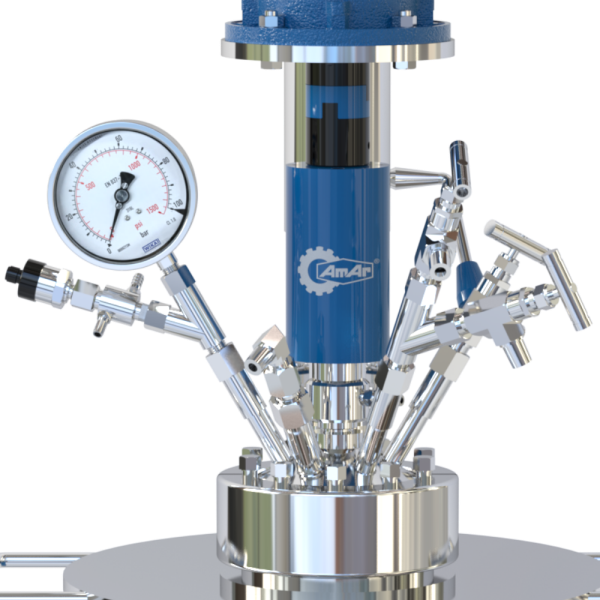
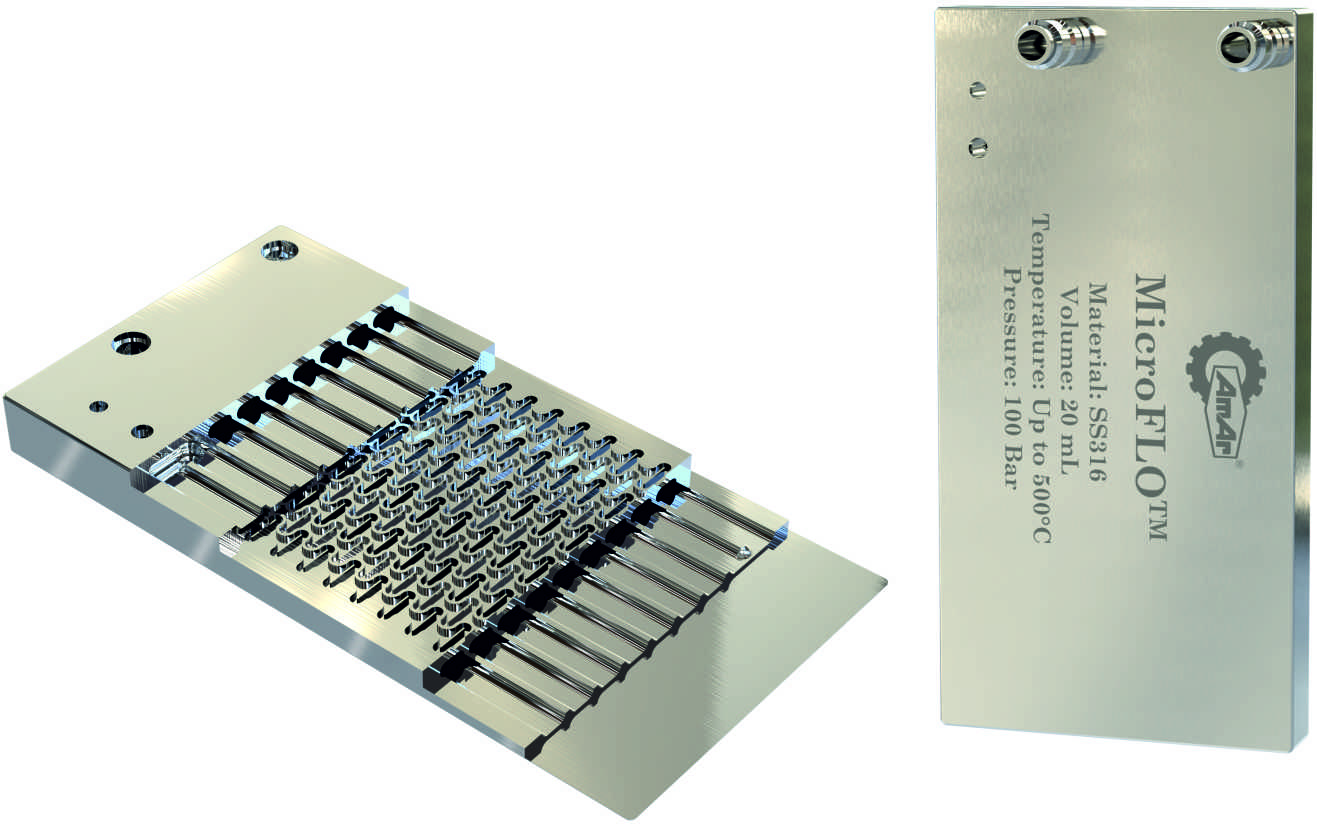
The key features of the MicroFLO™ reactor include:
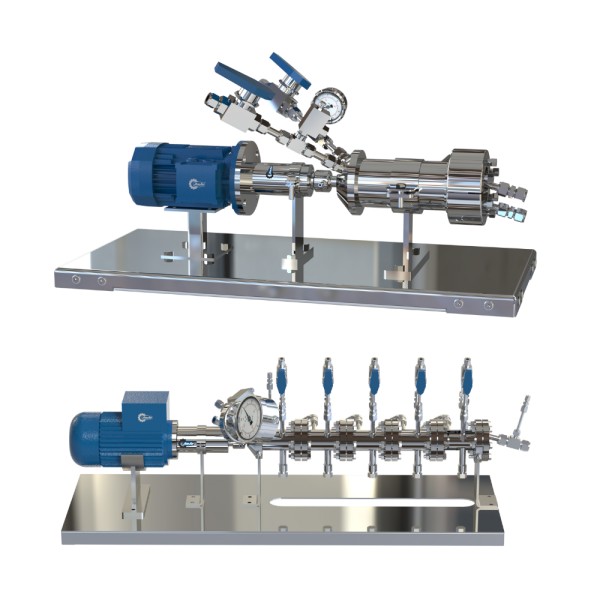
The key features of the SlurryFLO® reactor include:
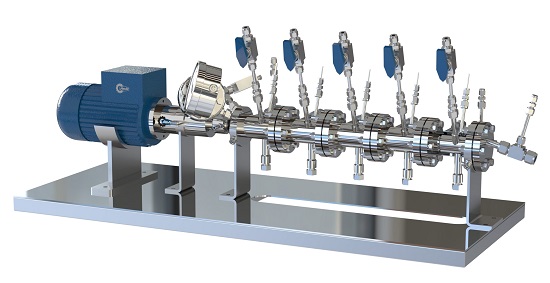
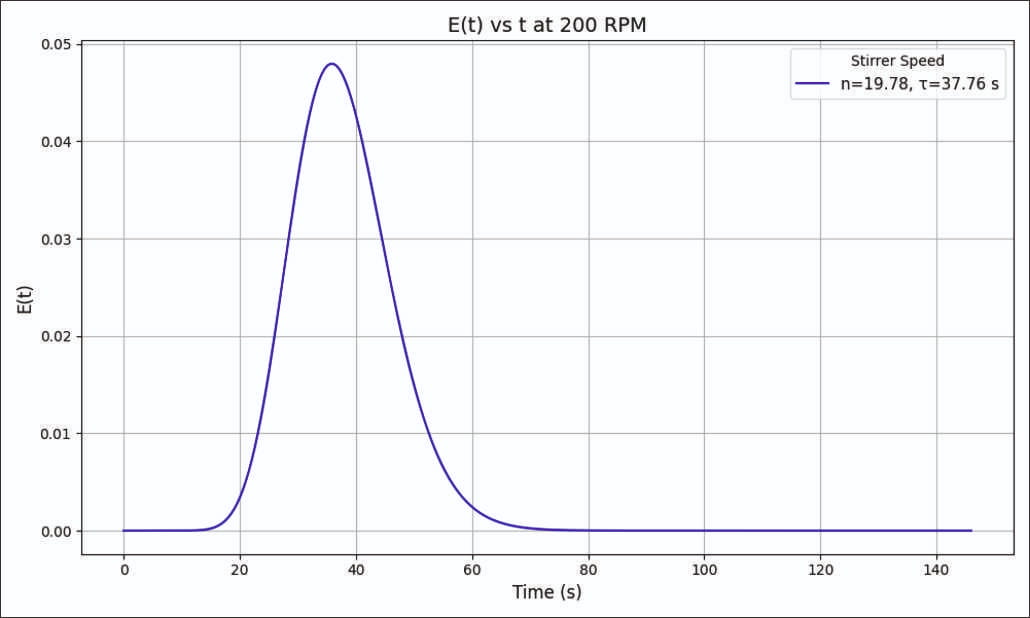
The reactor houses several cells of equal volume in series and thus closely approximates a plug flow reactor (Figure 3). By fitting a Tanks-in-series model to the residence time distribution, one obtains, N, the number of tanks in series as high as 20 (at a flow rate of 300 mL/min and motor speed of 200 RPM) (Figure 4).
Flow in the forward direction is by overflow from cell-to-cell. This decouples internal agitation intensity from residence time. In addition, each cell has its own jacket, a port of sensing temperature, a dosing/sampling valve, and a bottom drain to clean the reactor after use.
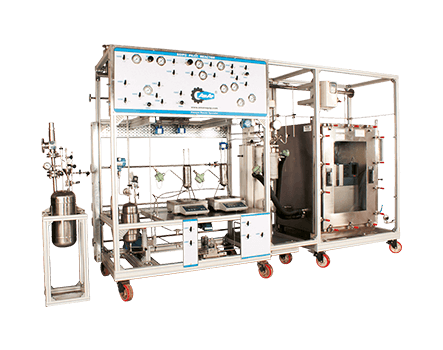
All the required reagents and solvents were purchased from commercial suppliers and were used without further purification. Two high-pressure dualpiston pumps were employed to dose the starting materials. The solutions of Aniline (Solution A) and Sodium Nitrite (Solution B) were directed to the inlet of MicroFLO™ Reactor. Flowrates were set to maintain a consistent molar ratio of 1:1.2 between Aniline solution and Sodium Nitrite solution.
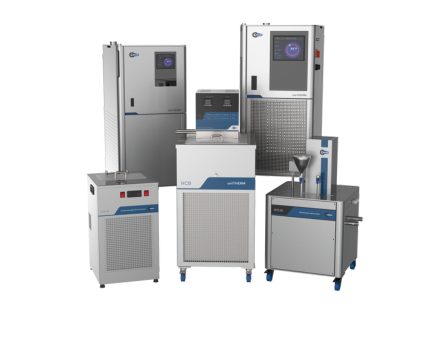
The resulting intermediate (Diazotized Salt) was then directed to a SlurryFLO® reactor where it was coupled with β-Naphthol (Solution C) which was administered through another pump into the SlurryFLO® reactor. The reactors were connected to a thermostat (Amar CLM 3), and residence temperature detectors (RTDs) were installed to continuously monitor the reaction temperature at various required positions.
Consequently, the product (slurry) from the SlurryFLO® reactor was fed into an Agitated Nutsche Filter Drier (ANFD), where the filtrate was drained from the bottom and the wet-cake (Dye) was subjected to drying (Figure 5).
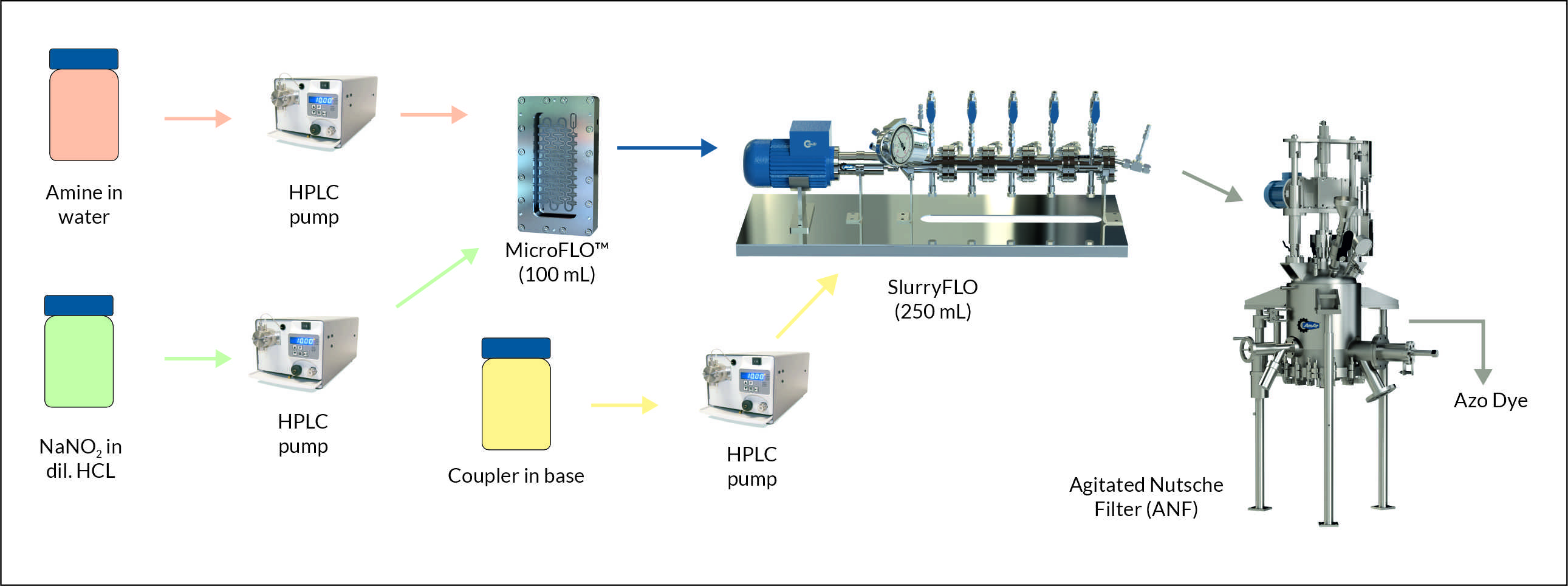
The synthesis of Azo dye Sudan-1 was performed considering effects of residence time, molar ratios, and temperature of the reaction. A residence time of 2 mins for diazotization reaction (in MicroFLO™ reactor) and 10 mins for the coupling reaction (in SlurryFLO® reactor) gave the maximum overall yields (>80%). The effect of change in temperature was also studied and the best results were found at 0°C. Molar ratio of 1:1.5 between aniline and sodium nitrite was found to be ideal. A techno-economic analysis was performed on the process and the results indicated that the cost of the continuous process is almost 5 times lower than the corresponding batch process.
The continuous process for azo dye synthesis was successfully demonstrated with more precise control over reaction parameters and yields with the help of Amar MicroFLO™ reactor and SlurryFLO® reactors. This work demonstrated an efficient and robust method for the synthesis of Sudan-1 dye developed by optimizing several process conditions based on temperature, residence times, and molar ratios. The SlurryFLO® reactor provided a significant advancement in handling the slurry mixture formed during the process, which otherwise is a daunting task to do in other traditional flow reactors.