In a previous blog post, we mentioned and reiterated some of the key factors that influence the performance of stirred pressure reactors in chemical synthesis. This is the 2nd part of the blog post. The goal is to serve as a checklist or cheat sheet for our end users whenever they are purchasing their next stirred reactor:
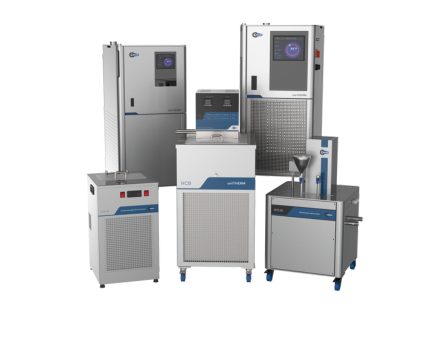
- Temperature Controllers: Most reactions have a target temperature. If the temperature is too low, the rate may fall, and the reaction takes too long. If the T is too high, side products may get formed and worse — there can be a danger of a runaway reaction. A good, stirred pressure reactor (or stirred autoclave) will have tight control on temperature, usually via a PID controller. Not all controllers control T equally tightly. Carefully evaluate the T-control on any stirred pressure reactors you buy. Usually, you need to ask or do a careful test since T-control specs are rarely included on the main spec sheet.
- Gaskets: Most metal-to-metal mating surfaces need a gasket to achieve a tight seal. Usually the gasket material is different from the reactor material. E.g., a Hastealloy autoclave may have a Kalrez / Viton / Teflon gasket. Leaking gaskets are the number 1 complaint we hear from users who are unhappy with their stirred pressure reactors. For hydrogenation reactors (and similar situations), this can also become a serious safety risk. Gaskets are usually softer and also degrade with time and flexing cycles, especially at high T. Gasket choice is an art and often more difficult than choosing the reactor metal. Make sure you consult with an experienced application engineer.
- Shaft Seals: Rotating parts — i.e., the shaft of a high pressure autoclave reactor — means that using some sort of shaft seal is imperative. Our recommendation is simple: go with a magnetic seal whenever possible. Unless there is a good reason to decide otherwise, choose a magnetic seal for a leak-proof experience. If you have older equipment, retrofit it with a magnetic seal. Trust us, the price is worth it. For some situations, if you must use an older-style mechanical seal, choose the OEM vendor very wisely for your stirred pressure reactors.
- Gas Induction Impellers: For a gas-liquid reaction, re-entrainment of gas is critical. Remember that the gas sitting in the top head space of a reactor is useless unless you have a way to get it into the bulk of the liquid as fine droplets. This is where the reaction happens. Consider a hollow shaft impeller or a special design made for gas induction, particularly in stirred reactors where mixing efficiency directly impacts yield.
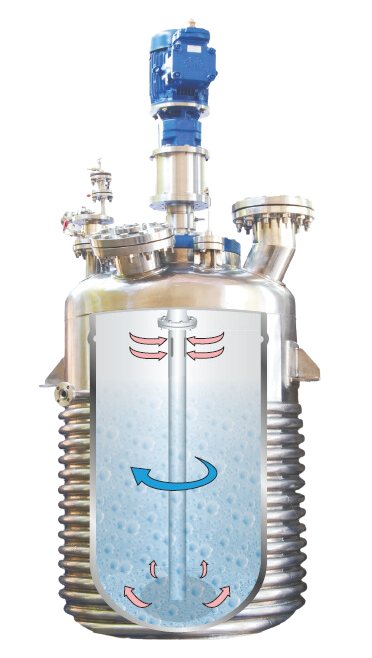
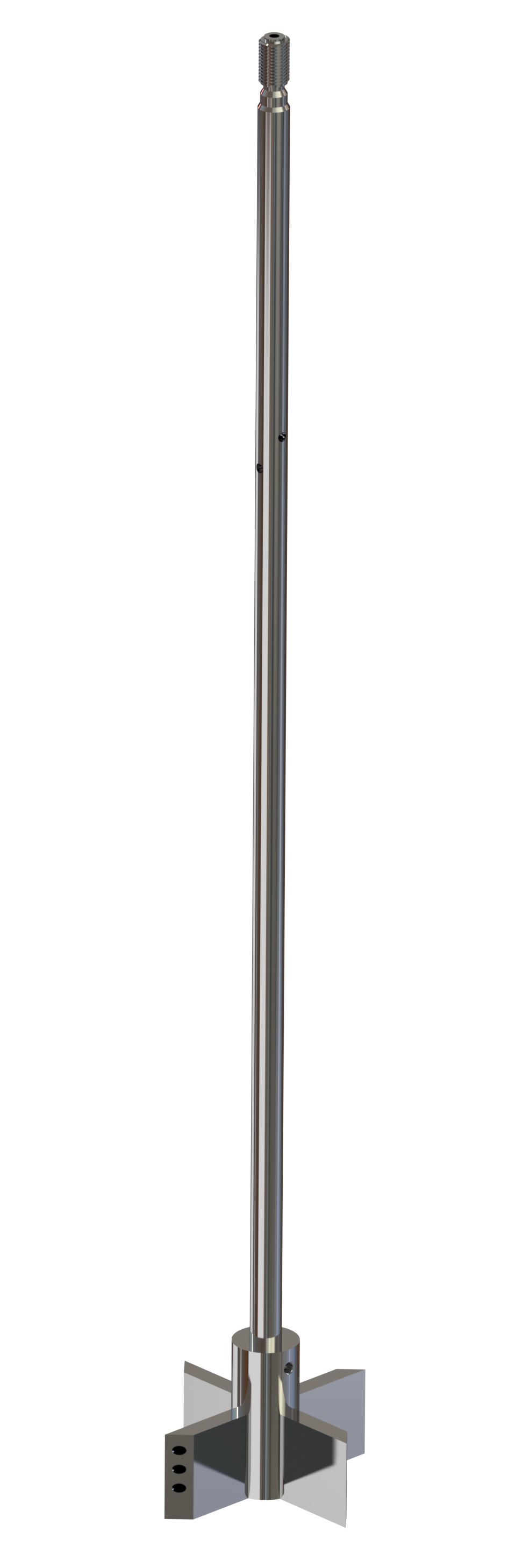
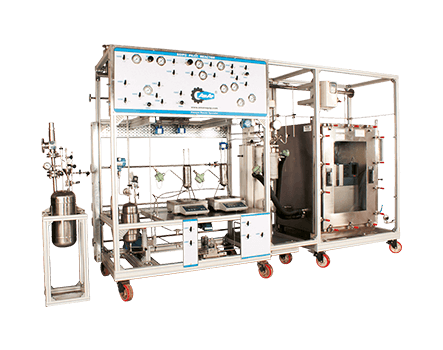
- Draining the Reactor: Batch stirred reactors were often unloaded by hand. Remember that high pressure autoclave reactors are often very thick and heavy. This can pose a serious injury risk to lab personnel as reactors become heavy. Carefully consider alternatives such as bottom discharge valves or, even better, a pneumatic/hydraulic arrangement to raise, lower, and tilt the reactor. See the image below of one such system from Amar, which works seamlessly with stirred pressure reactors in modern labs.
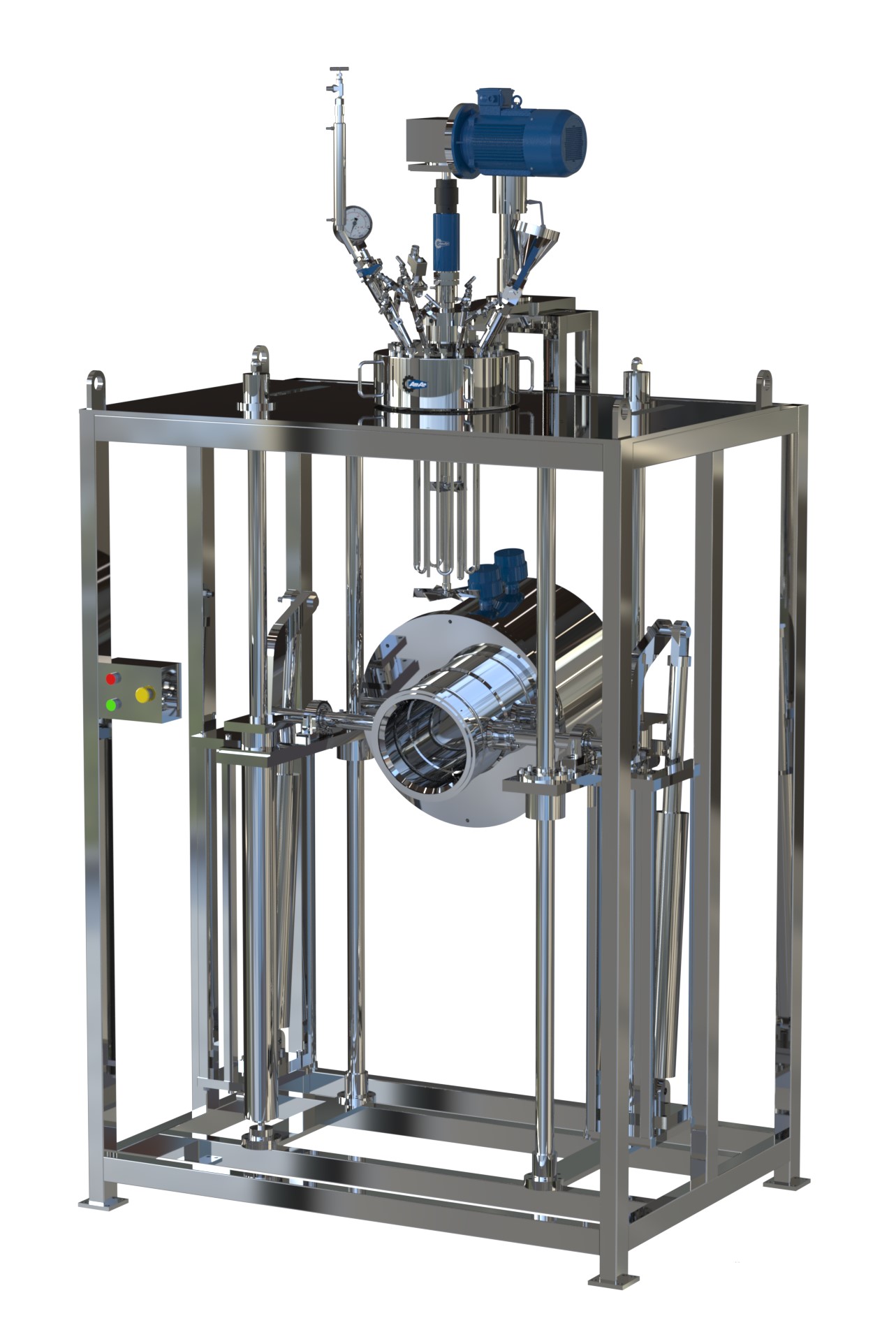
Hope this 2-part blog post series helps our readers. Meanwhile, do reach out to our experts at Amar for your next stirred pressure reactor project.