08 Jan 2024

We want to wish everyone a very happy new year. This is our second post from 2024 and we promise everyone a very interesting series of posts this year.
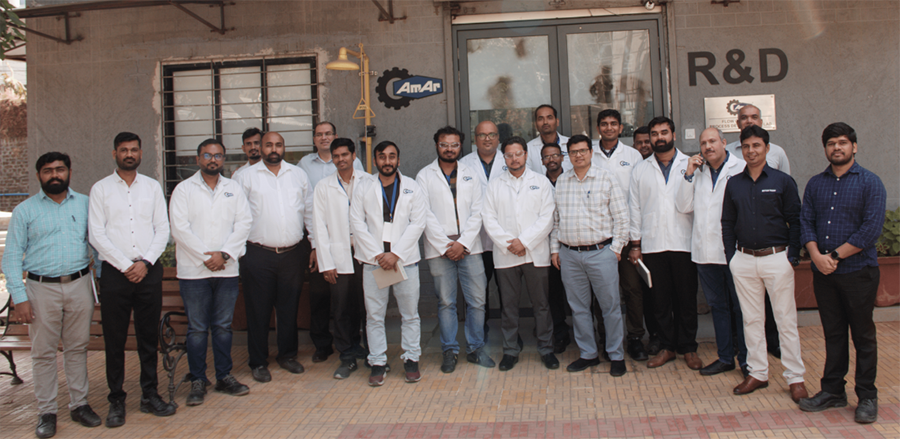
This post will be somewhat different from our usual posts since we wanted to cover a recent workshop which was held at Amar Equipment on 5th Jan Friday. We invited about a dozen industry professionals for an all-day workshop on Flow Chemistry at our Mumbai facility.
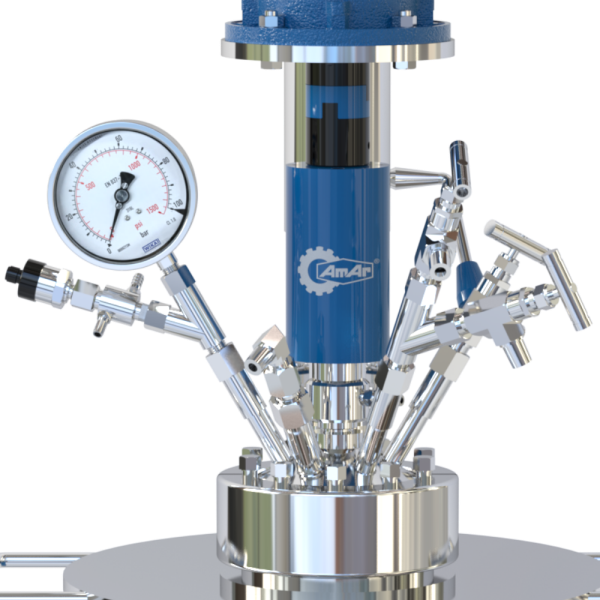
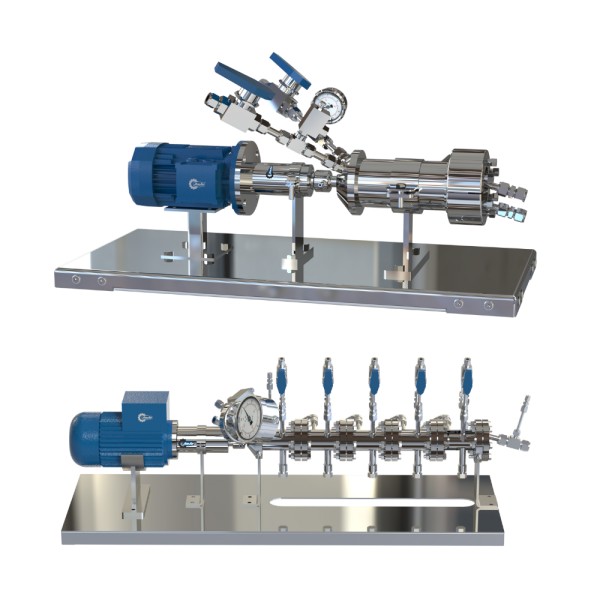
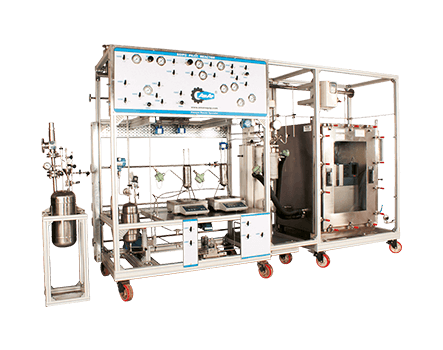
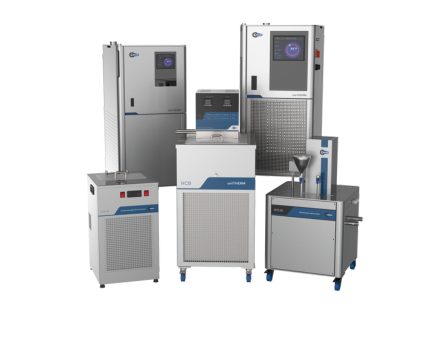
This included a mix of lectures and practical demos on our flow reactors. In addition, there was ample opportunity for interaction and also a tour of our fabrication workshop. Furthermore, we had valuable participation from our external technical consultants Prof Dalvi and Dr Nabar who bring great experience and knowledge from projects beyond those at Amar itself. The images below showcase some of our reactors in action.
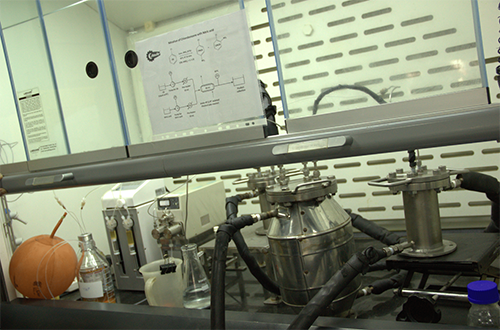
PinchFlo Reactor in Action
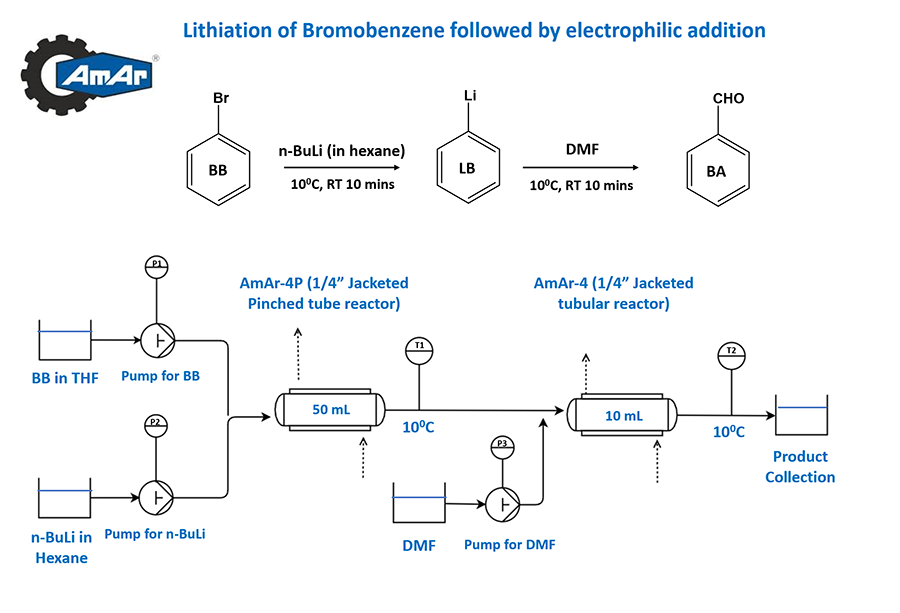
Multiple chemistries were demonstrated live by our Amar team. The images below depict some of these chemistries.
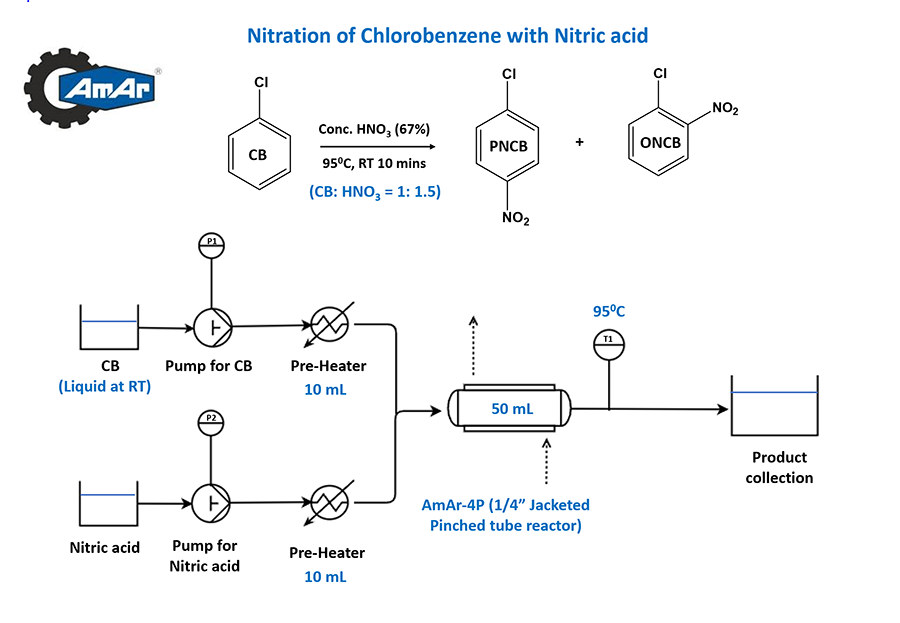

Amar tries to house all its skills under one roof: Office, Design Team, Fabrication workshop, and Chemistry Demo Lab. This allows us a very tight integration between our various teams.
There was a two-way reciprocation of knowledge and experience between the participants and the Amar team. Some key takeaways from the flow chemistry workshop are summarized here:
Many other learnings emerged from the workshop, but unfortunately, we do not have the space to summarize all of them here. We thank all the participants for their enthusiastic participation in the workshop. It was rewarding for us that several participants traveled from places such as Delhi, Goa, and Gujarat to attend this workshop.
We intend to have several such workshops in the near future. These are complimentary with free registration. The next workshop is expected to be scheduled in Feb 2024. Sign up for the newsletter to get the update on upcoming news and events.