01 Jun 2026

Hydrogenation is an important process used in pharmaceuticals, chemicals, specialty chemicals, and research laboratories to convert raw materials into useful products. Since hydrogen gas is handled under pressure, the process requires a safe, controlled, and properly designed high pressure hydrogenation reactor.
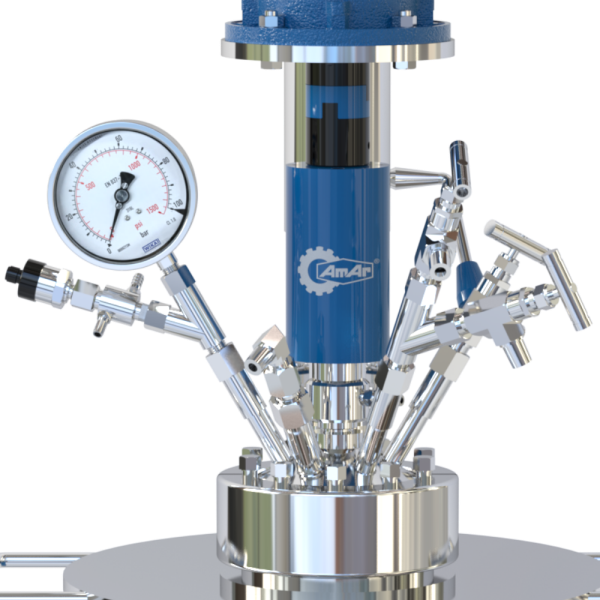
A stirred pressure reactor is widely used for hydrogenation and other high-pressure chemical reactions because it allows controlled pressure, temperature, agitation, gas charging, and reaction monitoring. This makes it suitable for laboratory research, pilot-scale process development, and scale-up studies.
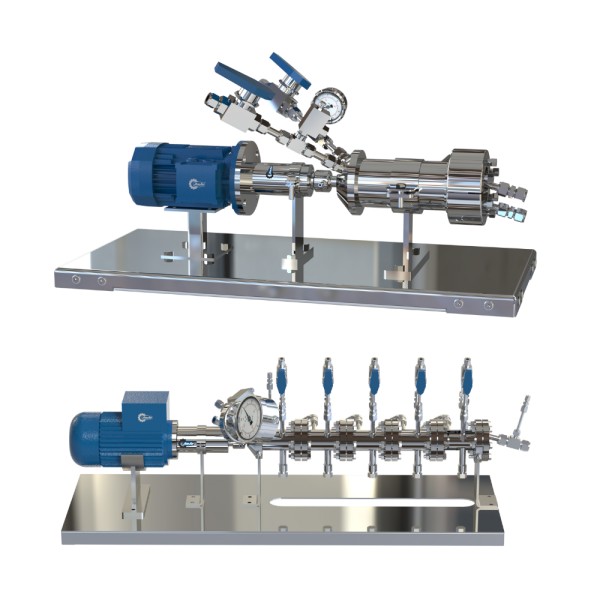
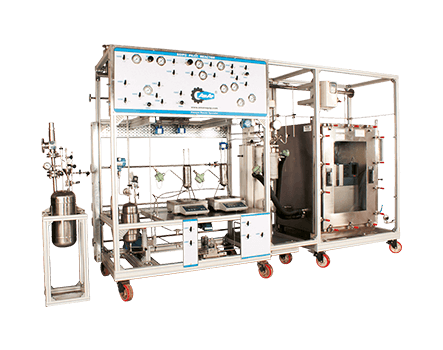
Amar Equipment provides hydrogenation reactor equipment for demanding pressure reaction applications. These systems are designed to help users run hydrogenation studies with better control, consistency, and safety.
Hydrogenation reactions may look simple, but they involve hydrogen gas under pressure, which makes the process safety-critical. A standard laboratory setup is not suitable when the process involves high pressure, reactive gases, catalysts, and elevated temperatures.
A properly designed high pressure hydrogenation reactor helps manage:
These factors help the reaction remain stable and predictable. Without suitable hydrogenation reactor equipment, process results can vary, and safety risks may increase.
A well-designed hydrogenation reactor focuses on both process performance and operator safety. It must be strong enough to handle pressure while also offering accurate control over reaction parameters.
Important design features include:
A stirred autoclave is especially useful when the process needs strong internal mixing, controlled heating, and reliable pressure performance. For demanding hydrogenation work, this type of hydrogenator gives researchers and process teams better control over reaction behaviour.
In hydrogenation, reaction efficiency depends heavily on how well hydrogen gas contacts the liquid phase and catalyst. Poor mixing can reduce conversion, slow down reaction time, and create inconsistent results.
A stirred pressure reactor uses mechanical agitation to continuously mix the gas, liquid, and solid catalyst inside the vessel. This improves hydrogen contact, catalyst suspension, heat transfer, and reaction uniformity.
For gas-liquid-solid reactions, a high pressure hydrogenation reactor with proper agitation can support better mass transfer and more repeatable results. This is why a stirred hydrogenator is commonly used for catalyst evaluation, process optimization, and batch hydrogenation trials.
Safety is one of the most important aspects of any hydrogenation reactor. Hydrogen is highly reactive and is usually handled under pressure, so the system must be designed to control pressure, prevent leakage, and maintain stable operating conditions.
A safe hydrogenator setup should focus on three main areas:
Along with good design, safe operation also depends on proper procedures, regular inspection, preventive maintenance, and trained operators.
A stirred autoclave can be used for a wide range of pressure reaction applications. While hydrogenation is a major use case, the same system can also support other reactions that need pressure, temperature, and agitation control.
Common applications include:
In these applications, the hydrogenator helps users study reaction behaviour under controlled conditions. A pressure-rated hydrogenation system also supports process development where reproducibility and safe scale-up are important.
Material selection is important in pressure reaction systems because reaction media may be acidic, basic, corrosive, or solvent-based. The wrong material can reduce equipment life and may affect process safety.
Depending on the chemistry, hydrogenation reactor equipment may be designed using materials such as SS316, SS316L, Hastelloy, Inconel, Monel, Titanium, Nickel alloys, or special lined construction.
The selected material should be compatible with the reactants, catalyst, solvent, temperature, and pressure. This helps improve long-term performance and safe operation of the hydrogenator.
Modern hydrogenation work often requires accurate control and repeatable operation. Automation helps operators monitor and control key process parameters throughout the reaction.
A high pressure hydrogenation reactor can include:
These controls help improve repeatability and make it easier to study how pressure, temperature, agitation, and gas flow affect the reaction. For process development teams, this makes the hydrogenator more useful for scale-up studies and documentation.
Selecting the right hydrogenation reactor depends on the process stage, reaction chemistry, operating conditions, and scale. A small system may be suitable for initial studies, while a larger reactor may be required for pilot or production work.
Key factors to consider include:
The right pressure reactor configuration is suitable when the process needs stronger mixing, better heat transfer, and controlled operation under pressure. The right hydrogenation reactor equipment helps improve safety, consistency, and confidence during process development.
Successful hydrogenation depends on more than just selecting a pressure vessel. It requires the right combination of reactor design, agitation, pressure control, temperature management, material compatibility, and safety systems.
A high pressure hydrogenation reactor provides a controlled environment for carrying out hydrogenation and other pressure reactions with better reliability. When designed properly, the hydrogenator supports safer operation, better reaction control, and smoother scale-up from laboratory to pilot scale.
Amar Equipment provides engineered stirred reactor solutions and pressure reactor equipment for research, process development, and scale-up applications. These systems are designed to help teams work with greater control and consistency during pressure reaction studies.
To discuss your process requirement or select the right system for your application, connect with Amar Equipment for suitable technical guidance and reactor solutions.