24 Jan 2025

Continuous manufacturing is transforming the chemical industry, offering substantial economic advantages over traditional batch processes. At its core, continuous chemical processing involves the uninterrupted flow of reactants through a system, enabling steady-state operations. This approach not only enhances efficiency but also aligns with the industry's growing demand for sustainable and cost-effective production. In technical terms, this involves the use of continuous processing reactors like Plug Flow Reactors or CSTRs (Continuous Stirred Tank Reactors) as key elements, whether they be macro or micro in dimensions. This brings about the revolution in flow reactors, and Amar is a key participant in this field as a trusted chemical industry continuous processor solutions provider.
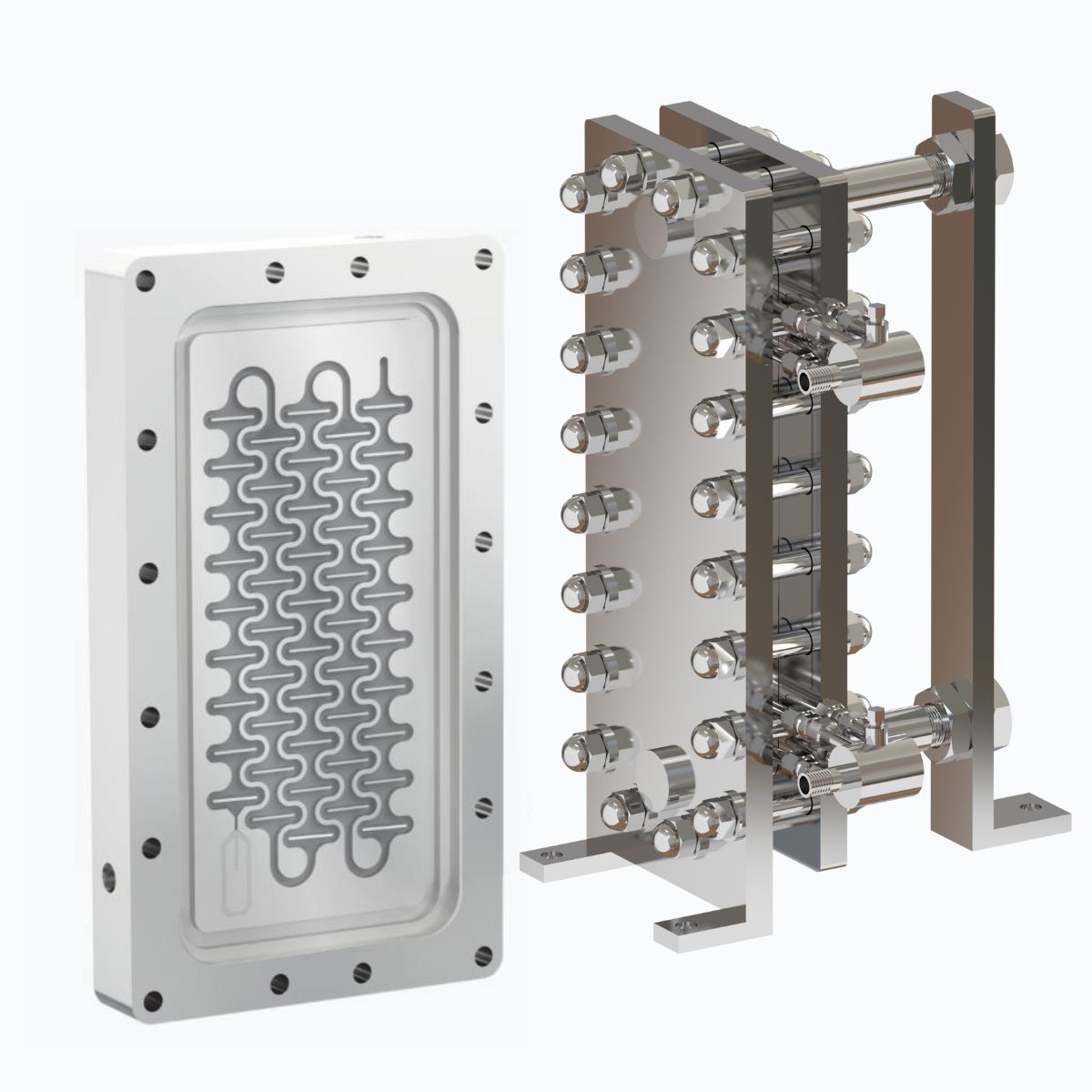 |
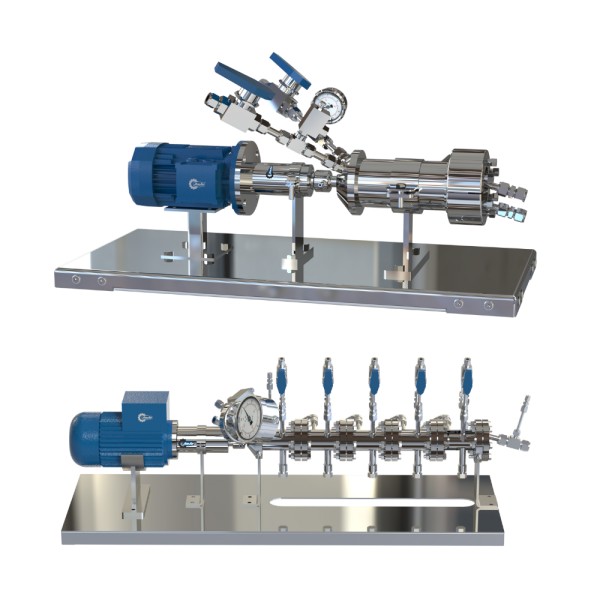
| MicroFLO Reactor |
One of the primary economic benefits of continuous processes in chemical industry is cost reduction. By minimizing downtime between batches, manufacturers can achieve higher production throughput. Additionally, the smaller equipment size required for continuous chemical processing reduces capital expenditure while maintaining output levels comparable to larger batch setups.
The advantages of continuous manufacturing can be summarized as follows:
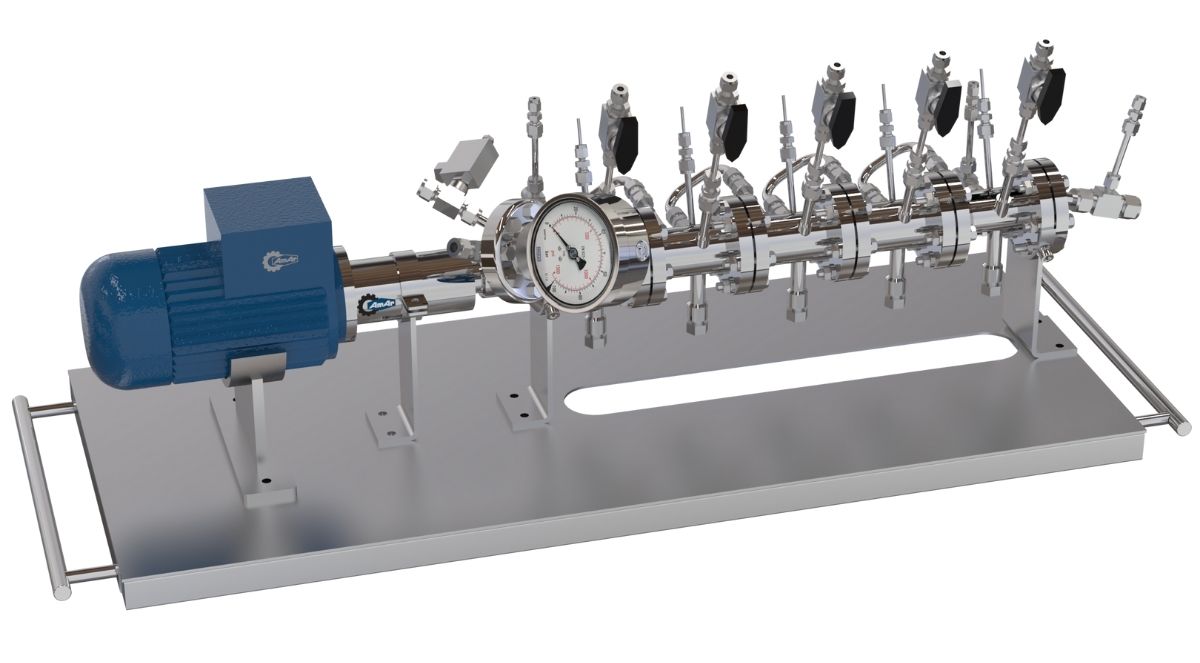 |
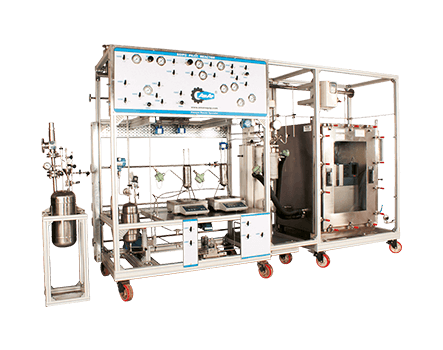
| SlurryFLO Reactor |
While adoption requires overcoming challenges like retrofitting existing plants and training personnel, the long-term economic benefits of continuous processes in chemical industry are clear. As a chemical reactor manufacturer, collaborating with process innovators to design and deliver advanced continuous processing reactors is key to driving these transformative changes for continuous process industries. We at Amar have an extensive range of reactors and even a demo lab to assist our customers in their transition to continuous chemical processing. Continuous manufacturing is not just an operational shift — it's an economic imperative that positions manufacturers for a competitive, sustainable future in the chemical industry.
Please contact our team at Amar for further assistance.