30 Oct 2026

Advanced research and process development often involve conditions beyond standard lab equipment's capacity. High-pressure vessels provide controlled environments for studying chemical reactions, evaluating materials, and developing processes before scaling up to pilot or industrial production. Their design must match process parameters like pressure, temperature, volume, and media properties.
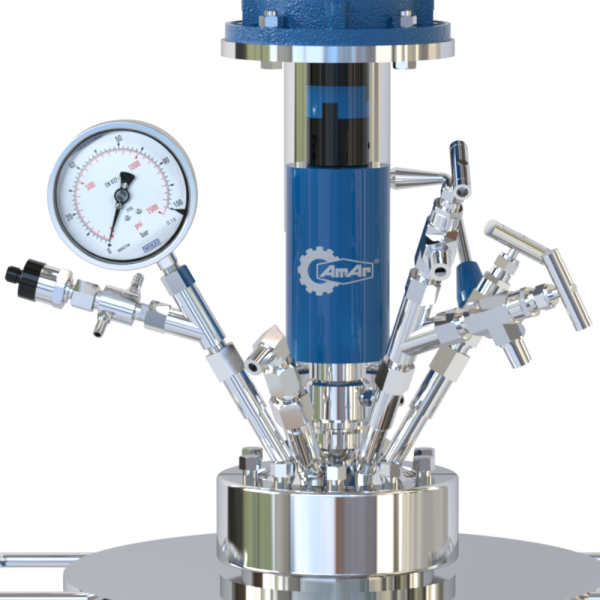
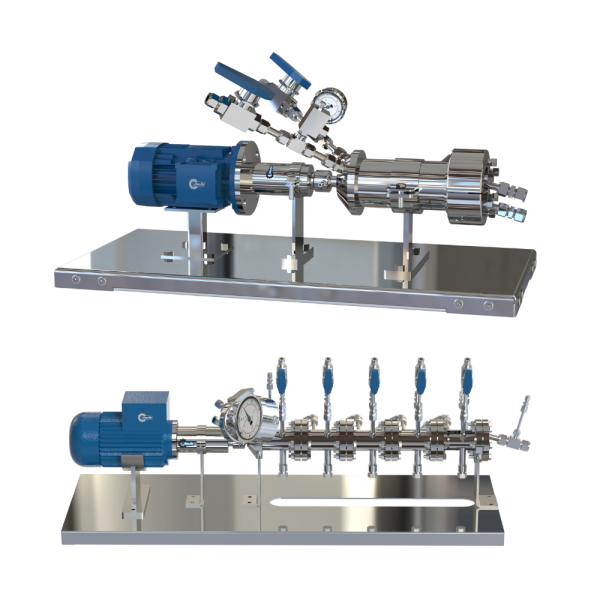
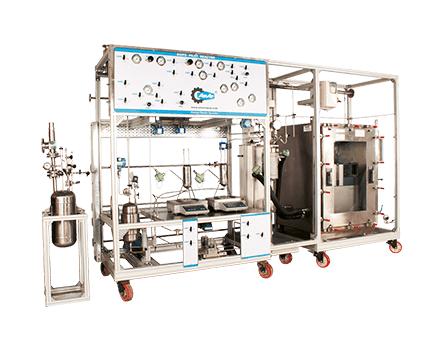
Amar Equipment provides pressure equipment designed to support laboratory research, process development, and pilot-scale applications. Our high-pressure vessels are suitable for laboratory, R&D, and pilot-scale applications, available in different capacities, materials, and configurations. We offer customized options to match specific process conditions, supporting researchers and engineers in selecting the right equipment.
Pressure can change how a chemical reaction takes place, how gases behave, and how materials perform. Research teams may need to recreate these conditions in a controlled vessel to collect reliable test results.
High-pressure vessels provide a sealed space where pressure and temperature can be monitored during an experiment or process trial. This makes them useful for small-scale research and process development.
Common applications include:
The required vessel size can vary considerably. Laboratory studies may need a vessel with a small internal volume, while pilot development may require significantly larger capacities.
Choosing high-pressure vessels requires a review of the complete operating environment rather than pressure alone. The vessel must suit the pressure, temperature, chemicals, and process conditions involved.
Key factors include:
| Factor | What needs to be considered |
|---|---|
| Pressure | Normal and maximum operating pressure |
| Temperature | Operating and design temperature |
| Volume | Required working and total vessel capacity |
| Process media | Chemical compatibility and corrosiveness |
| Material | Suitable material of construction |
| Connections | Required inlet, outlet, sampling, and instrument ports |
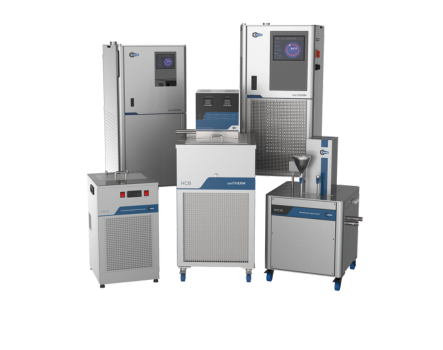
| Heating or cooling | Process temperature control requirements |
| Instrumentation | Pressure, temperature, and other process measurements |
| Safety | Pressure relief and other protective provisions |
| Standards | Applicable design codes and site requirements |
These factors are linked; increasing temperature affects material performance and pressure, while chemically aggressive processes may need different materials even at moderate pressure.
Material selection is a key part of pressure vessel design. Stainless steel is widely used for applications where good mechanical properties and corrosion resistance are required.
Stainless steel pressure vessels are commonly considered for chemical, pharmaceutical, laboratory, and process applications. SS316 can suit many environments, but the final choice should always be based on the process media and operating conditions.
For more demanding chemical environments, Hastelloy pressure vessels may be considered because Hastelloy alloys can offer high corrosion resistance in several aggressive service conditions.
Other materials can also be used when the application requires them. Depending on the process, options may include:
No single material suits every application. Review chemical composition, concentration, temperature, pressure, and exposure time before finalizing the material.
High-pressure autoclaves are designed for experiments where pressure and temperature need to be controlled within a closed vessel. They are used in areas such as reaction studies, materials research, corrosion testing, and high-pressure process development.
A research autoclave can be configured with features required for a particular experiment. Depending on the process, this may include heating or cooling, pressure measurement, temperature measurement, gas connections, sampling arrangements, and other process ports.
High-pressure autoclaves can therefore be useful when researchers need to reproduce specific process conditions repeatedly. Consistent vessel configuration and suitable instrumentation can also help teams monitor experiments more effectively.
Standard equipment may not meet every R&D requirement. Customisation may be necessary when a project requires specific pressure ratings, vessel capacities, materials of construction, temperature ranges, or connection arrangements.
Custom high-pressure vessels may be developed around requirements such as:
Custom-designed pressure vessels can support research facilities where experimental conditions, instrumentation, and process requirements vary between projects. A vessel designed around the application can provide the required configuration without adding unnecessary features.
Vessel material can affect both equipment suitability and process reliability. Chemical interaction between the vessel wall and the process media can cause corrosion, contamination, or equipment degradation.
For this reason, stainless steel pressure vessels are not automatically suitable for every chemical application. Review the process chemistry before selecting the material.
Similarly, Hastelloy pressure vessels may be considered where stronger corrosion resistance is required. Process data and appropriate engineering review, not just the material's general reputation, should support the final material selection.
Working with pressure demands careful equipment design and procedures. The vessel must suit its pressure and temperature range and include safety measures.
Depending on the system, these may include:
Identify standards and regulations before designing or installing equipment. ASME requirements may apply to some pressure vessels, while other certifications depend on country, installation, and service.
High-pressure vessels support research and process development across several industries.
They can be found in:
The required design varies between applications. A pharmaceutical research vessel has different material and cleaning needs than a petrochemical testing vessel. Process-specific engineering is important.
Select a pressure vessel based on the process it must support. Pressure rating, temperature, volume, chemical compatibility, material, instrumentation, safety provisions, and applicable standards all have a role in the final design.
At Amar Equipment, we provide high-pressure vessels for research, development, and pilot applications, with material and configuration options suited to different process requirements. We work with customers to understand their operating conditions and develop equipment around the intended application.
Planning a high-pressure research or process development project? Contact our team to discuss your operating requirements and explore a suitable pressure vessel configuration.