21 Sep 2026

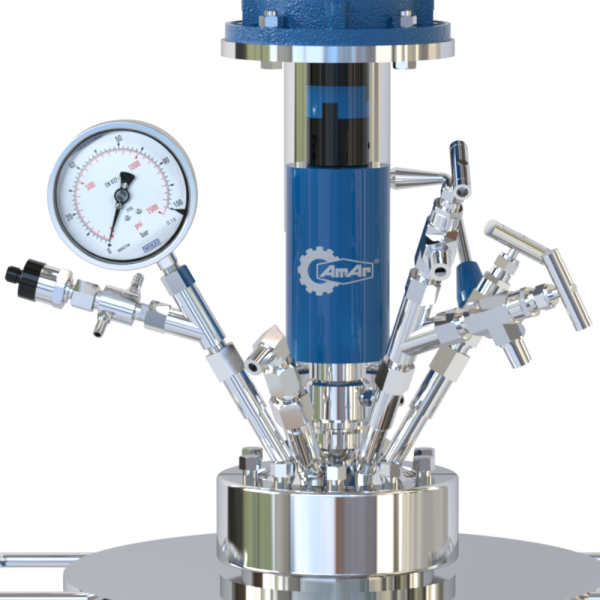
Specialized research may require reaction conditions that a standard laboratory vessel is not designed to accommodate. High pressure, elevated temperatures, reactive chemicals, corrosive materials, and gas-liquid reactions may all require a reactor designed around the process. A laboratory pressure reactor can provide controlled conditions for testing reactions, studying catalysts, developing materials, and improving process parameters.
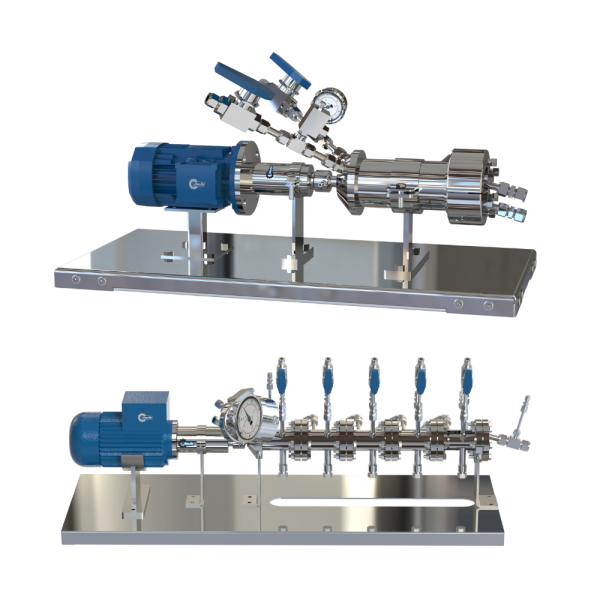
At Amar Equipment, reactor configurations can be developed around defined experimental and process requirements. Custom reactor systems can be developed by considering factors such as pressure, temperature, volume, material compatibility, agitation, sampling, and process control.
A standard reactor may suit routine lab work, but specialized experiments have different needs. Reaction chemistry, pressure, temperature, mixing, and materials influence reactor design.
Custom reactor configurations may be appropriate for applications involving:
The objective is to configure the complete reactor system to suit the required operating conditions, reaction chemistry, and experimental workflow.
You can select several parts of a laboratory pressure reactor based on the research application. The vessel itself is important, but it is only one part of the overall setup.
Material of Construction
The reactor material needs to be compatible with the chemicals being processed. Stainless steel may be suitable for many applications, while alternative alloys or specialized wetted materials may be required for particular chemical environments.
Material selection should take into account:
The wetted parts also need to be considered because the reaction mixture can come into contact with valves, fittings, probes, agitator components, and other internal surfaces.
Pressure and Temperature
Pressure and temperature are two of the most important design parameters. The reactor’s pressure and temperature ratings should cover the intended operating envelope, with foreseeable abnormal conditions addressed through the design and protective systems.
A laboratory pressure reactor used for high-pressure research may need suitable pressure measurement, relief arrangements, temperature monitoring, and other protective provisions. Choose these items based on the application and relevant engineering standards.
Agitation and Mixing
Mixing can affect reaction uniformity, heat transfer, gas dispersion, and catalyst suspension. The agitator should therefore be selected according to the physical properties of the reaction mixture.
Factors such as viscosity, solids content, required speed, and gas-liquid contact can influence the choice of agitator and drive arrangement.
When is a high-pressure glass reactor useful?
A pressure-rated glass reactor may be useful when visual observation is important and the required pressure and temperature fall within the equipment’s verified limits. Glass allows visual monitoring of changes such as color, phase separation, precipitation, foaming, and mixing behavior.
This can make a high-pressure glass reactor useful for research involving:
Glass reactors have pressure and temperature limits. The design must suit the operating conditions, not just visibility.
Different research fields use pressure reactors for experiments where pressure or controlled reaction conditions are important. The exact configuration can vary significantly between applications.
| Research Field | Possible Application |
|---|---|
| Pharmaceutical Research | Chemical synthesis and reaction development |
| Specialty Chemicals | Process testing and reaction optimisation |
| Petrochemicals | Catalytic and high-pressure studies |
| Materials Science | Material synthesis and testing |
| Catalyst Research | Catalyst screening and performance evaluation |
| Academic Research | Experimental reaction studies |
A reactor used for catalyst screening may require a different configuration from one designed for material synthesis. The expected reaction conditions should guide the design.
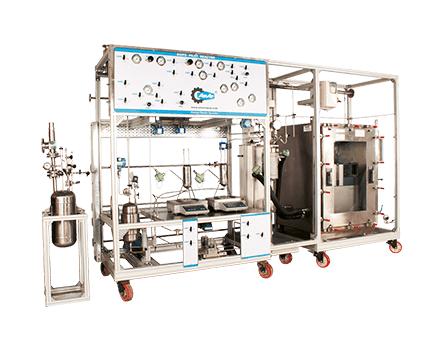
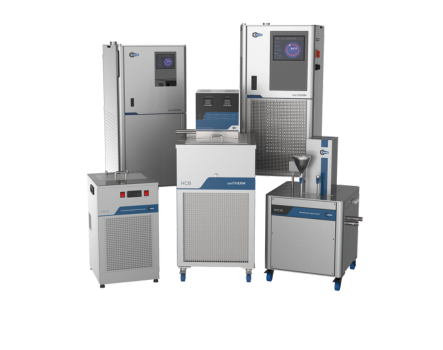
The reactor vessel is only one part of a complete research setup. Auxiliary equipment can help control and monitor the reaction more effectively.
Depending on the particular use, the system could include:
For high-pressure experiments, these components should be selected as part of the complete system. Connections, operating ranges, materials, and pressure ratings need to be compatible with the reactor and the process.
Before choosing pressure reactors, research teams should prepare a clear specification of the intended experiment. This can make equipment selection more accurate and reduce the risk of overlooking an important requirement.
Key points include:
This information gives the equipment designer a practical starting point for developing the system.
Pressure alone does not determine whether a reactor is suitable. The chemical environment can also have a major effect on equipment performance.
A material that performs well with one solvent or chemical may not be appropriate for another. Temperature can also affect corrosion behavior and material strength.
Material selection should consider the full operating environment. This is particularly important when using a high-pressure glass reactor or a metallic reactor with specialized wet materials.
Researchers should also consider seals, gaskets, valves, tubing, fittings, and internal components instead of checking only the main vessel material.
Custom reactor selection becomes important when standard laboratory equipment does not fully match the process. Pressure, temperature, chemical compatibility, mixing, gas handling, sampling, and safety all need to be considered together.
At Amar Equipment, we focus on developing equipment around the practical requirements of research and process teams. Our approach is based on understanding the application first and then identifying a suitable reactor configuration.
If you are planning a specialized reaction or need a custom laboratory pressure reactor, contact us to discuss your application, technical requirements, and suitable configuration.